
Famous Norwegian inventions throughout the ages
Fertilizer – a global gamechanger
In 1903, Kristian Birkeland and Sam Eyde developed a method for producing artificial fertilizer. This revolutionized food production worldwide and laid the foundation for Norsk Hydro (now Yara). In 2011, artificial fertilizer was voted Norway's most important invention in a poll conducted by Nitimen in NRK in collaboration with The Norwegian Industrial Property Office.
Did you know that:
The history of artificial fertilizer started with a failed launch of an electric cannon? Read more at uio.no (in Norwegian)
The gas turbine
Jens William Ægidius Elling developed the gas turbine in the early 1900s, a technology that is still used today, including in aircraft engines. Ægidius Elling is therefore called the father of the jet engine.
The punched card machine (The Bull machine)
Fredrik Rosing Bull is considered by many to be Norway's first IT entrepreneur. He developed and patented the punched card machine in the early 1920s. The machine automated statistics and accounting, and laid the foundation for modern computer technology.
The cheese slicer
Thor Bjørklund invented the cheese slicer in 1925, inspired by the hand plane he used as a cabinet maker. Today, the cheese slicer can be found in kitchens all over the world.
The spray can
Erik Rotheim patented the world's first aerosol can in 1926. The aerosol can was first used to combat insects during World War II, and the technology has since revolutionized everything from paint to cosmetics.
Contrast fluid for X-rays
A research group at Nyco, later Nycomed, began developing contrast media for use in X-ray imaging in the 1950s. This has enabled more accurate diagnoses and saved countless lives. Today, the legacy continues through GE Healthcare.
Microbeads (Ugelstads particles)
In the 1970s, John Ugelstad developed uniform polymer particles, known as Ugelstad particles, or microbeads. Today microbeads are used in blood purification and cancer diagnostics, among other things.
The reverse vending machine
Brothers Tore and Petter Planke developed the world's first reverse vending machine in the 1970s. The company Tomra has since become a world leader in reverse vending solutions and recycling technology.
Modern innovation from Norwegian inventors
Norwegian innovations continues to impress. Here are some examples of smart solutions from recent times that have been noticed.
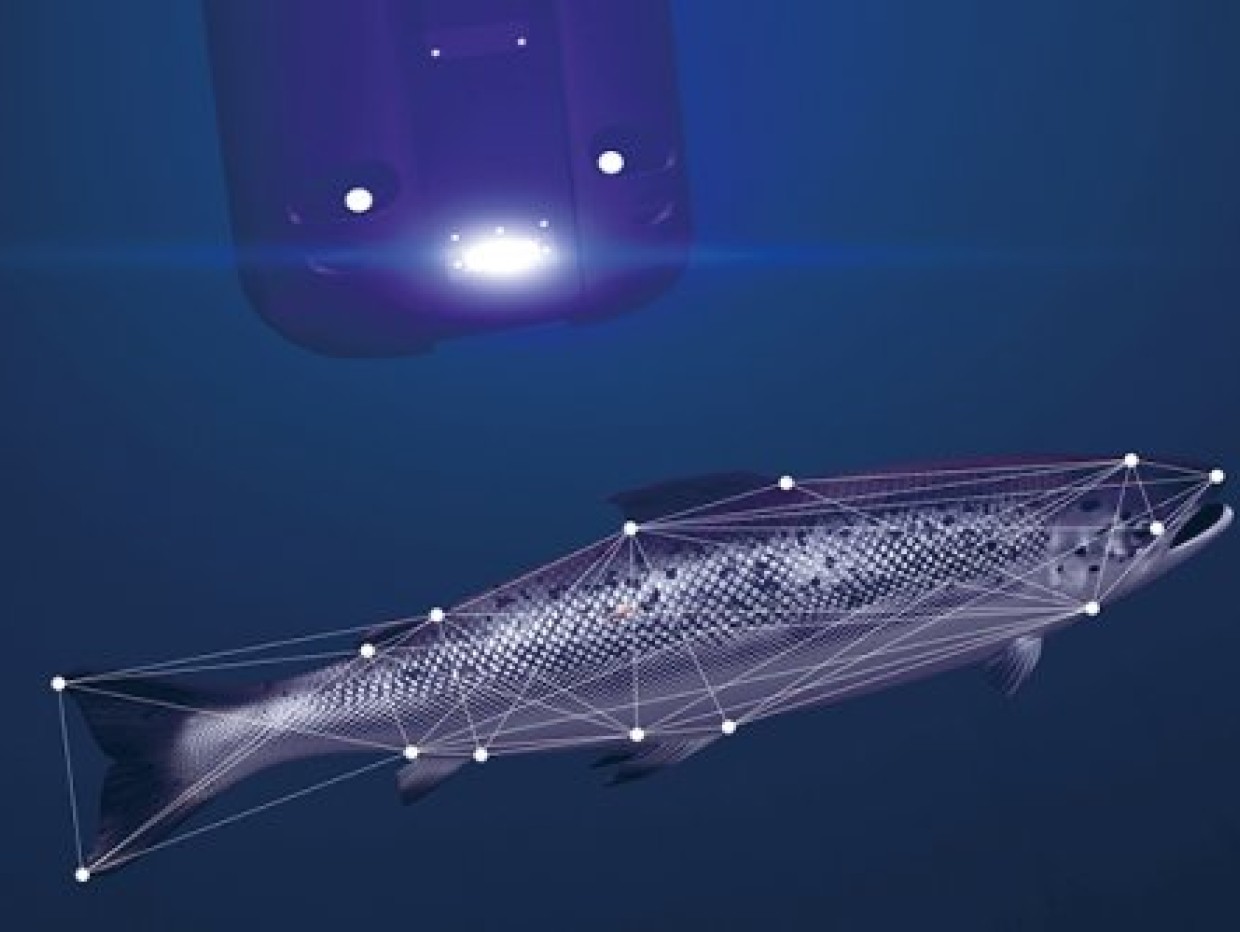
Stingray
Inventor and founder of the company Stingray, Esben Beck, has patented a technology to neutralize salmon lice with photons of light. In 2019, he became the first Norwegian to reach the final of the European Inventor Award.
Optinose
Per Gisle Djupesland's nasal pump provides effective relief for millions of patients with migraines and chronic sinusitis. Invention won the European Inventor Award 2021.
Zaptec
Norwegian technology company Zaptec holds several patents protecting the core of its charging technologies for electric vehicles. The company was awarded the Red Dot Design Award 2022 for best product design.
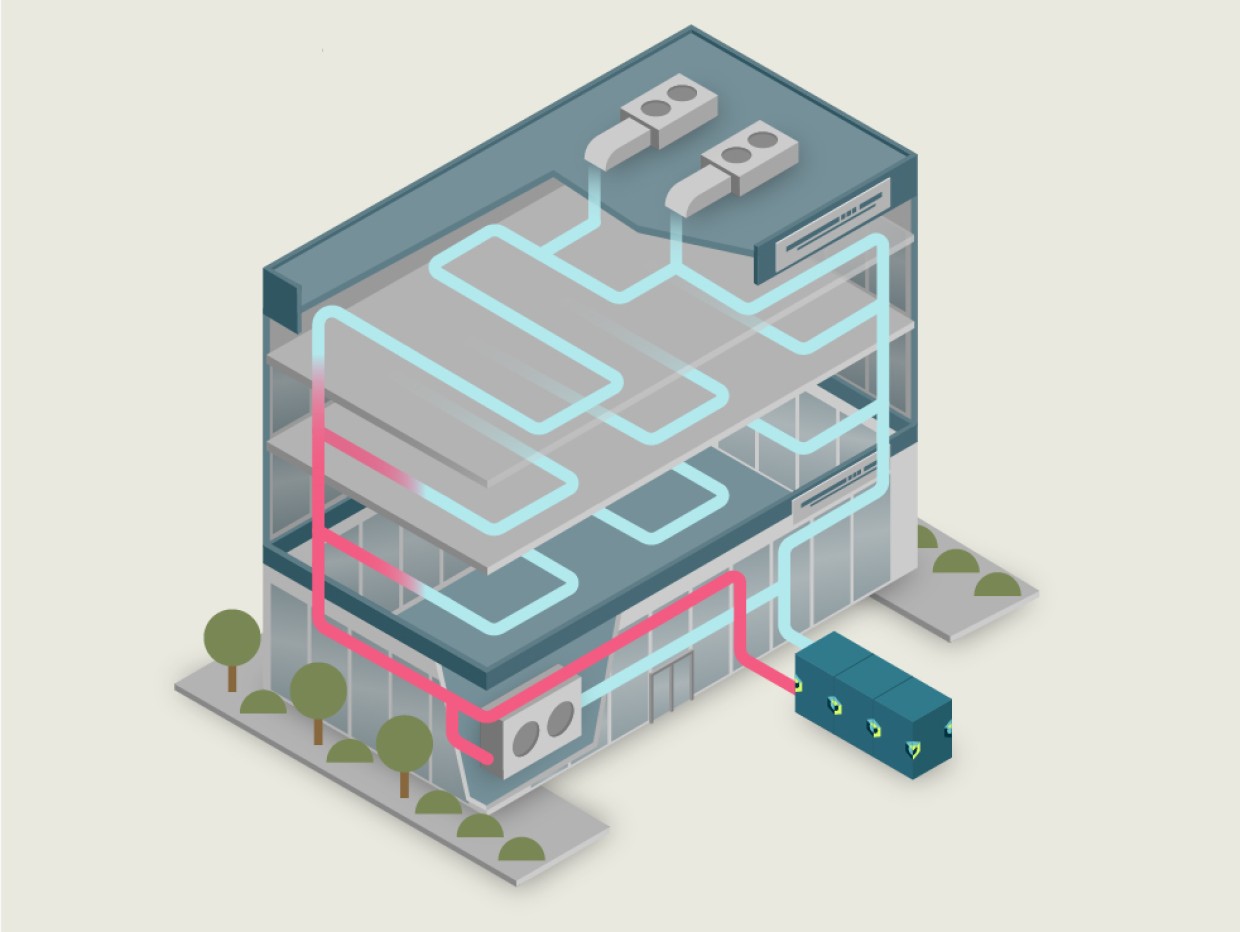
Cartesian AS
Entrepreneur Alexis Sevault and Cartesian AS have developed solutions for thermal energy storage, and were honored with the Nordic Innovation Award in 2025.
Be inspired by other Norwegian inventors
On our website you can read about several inventors and entrepreneurs who have developed new products and taken smart steps to protect them.
In our register you will find patents, trademarks and designs registered in Norway. You can search by invention, inventor, company name, owner and the like.
The registers contain:
- publicly available patent applications from 1976
- Norwegian trademark registrations dating back to the late 18th century
- Norwegian design applications filed from April 1, 2003.
Did you know that:
Kvasir was one of the world's first national search engines, launched in 1995, and could have become a Norwegian alternative to Google? Read more at aftenposten.no (in Norwegian)
The paper clip – Norway's most enduring myth?
Inventor Johan Vaaler is behind perhaps Norway's most famous patent and myth. He received a patent for a paper clip in both Germany and the USA in 1901. However, it turned out that a better paper clip already existed on the market. The paper clip as we know it today was produced by "The Gem Manufacturing Company" in England, probably as early as 1890.
Nevertheless, Vaaler was later incorrectly credited as the inventor of the paper clip, largely thanks to a misjudgment by an employee of the Norwegian Industrial Patent Office.
Did you know that:
The Norwegian Industrial Property Office has existed since 1911, and manages patent, trademark and design rights in Norway?
Frequently asked questions about inventions and patents
-
Who can become an inventor in Norway?
Anyone can be an inventor – it just takes a good idea and the will to solve a problem.
-
What is the difference between an inventor and an entrepreneur?
An inventor develops something new, while an entrepreneur takes the idea to the market and builds a business.
-
Why is it important to patent an invention?
A patent protects the invention and provides the opportunity to make money from the idea.
-
Are there examples of Norwegian inventions that have had international success?
Yes, examples include the spray can, artificial fertilizer, the cheese slicer, the reverse vending machine, and modern solutions such as thermal energy storage and patented medical products.
-
How can the Norwegian Industrial Property Office help me?
The Norwegian Industrial Property Office offers guidance, training and assistance in finding relevant information in databases, registers and patent literature worldwide. We help both individuals and companies protect their ideas, from idea to market.


