
The process of transferring the film reels initially took up to 10 days, largely due to challenges in getting focus, color, sound and image synchronized. The company created a machine called Cinevator that radically changed this by being able to transfer a 90-minute digital film in 90 minutes with significantly better quality, and with this became the market leader in Hollywood and Bollywood, among others, with customers such as Disney and Technicolor. The Lord of the Rings and Pirates of the Caribbean are examples of films that have been produced on the Cinevator. When Avatar was released in 2009, this landscape changed, as it was shown in 3D. As a result, the equipment in the cinemas was upgraded and the market for the Cinevator disappeared.
New uses for the technology
The company turned around to see what other uses the technology could have. They landed on secure, maintenance-free and sustainable storage of digital information in a 1000-year perspective. The customer base now changed from the film industry to archives, libraries, museums and others with a need for long-term storage of digital assets. Examples of customers using this technology are the Vatican Library, the European Space Agency, UNESCO, UNICEF, Taj Mahal, GitHub, Svalbard Global Seed Vault, the National Museum, the Norwegian Defence Museum, the Henie Onstad Art Museum as well as national libraries, archives and museums around the world.
The products developed by Piql and involved in the solution are several:
- piqlWriter – for writing to film
- piqlFilm – the actual film they write data on
- piqlReader – to read back data
- piqlBox – to store the film
- piqlConnect – cloud-based service for managing data stored with their solutions
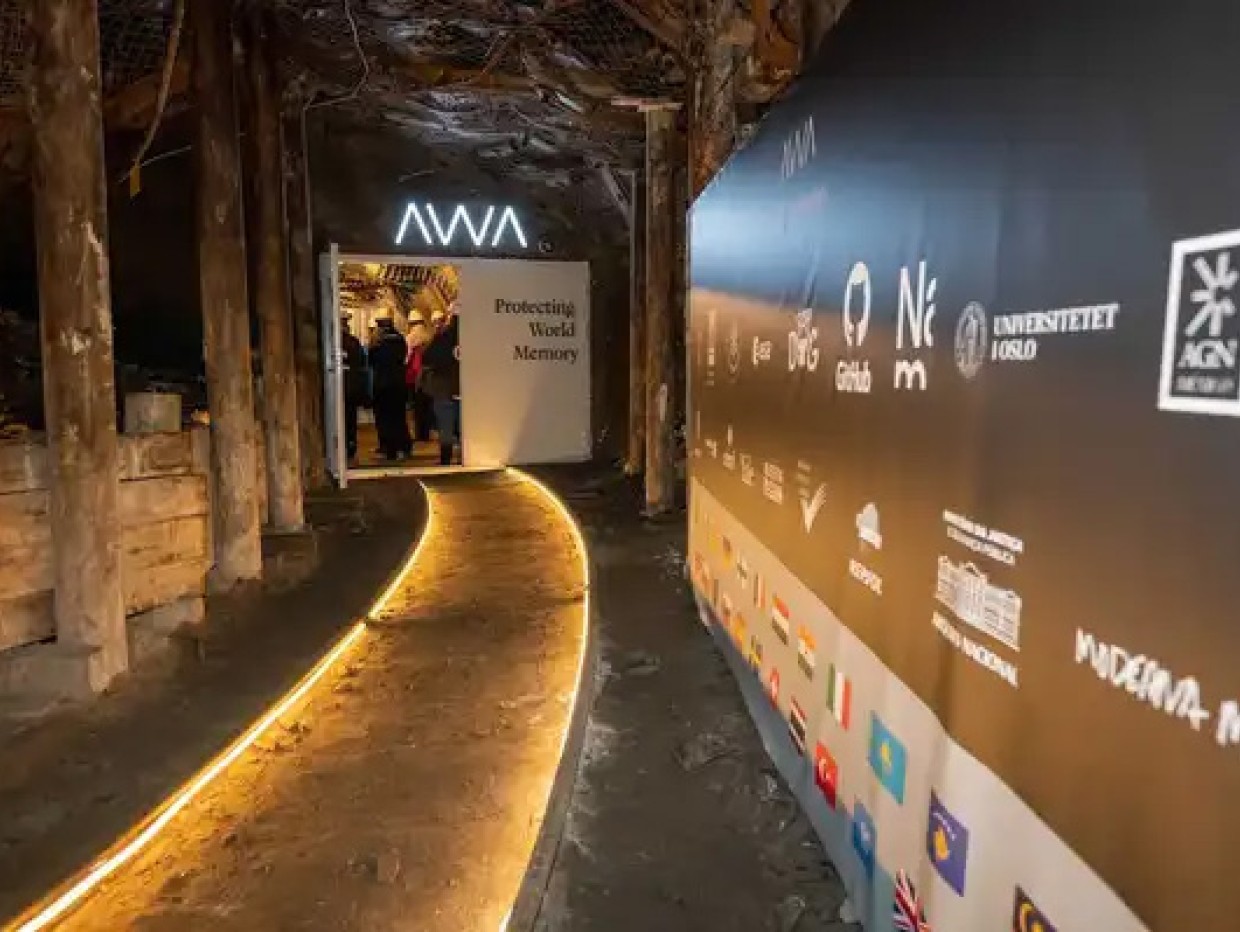
Tronrud Engineering at Eggemoen outside Hønefoss manufactures their equipment and Kodak and others manufacture film to their specifications. These products have also given Piql the opportunity to create the Arctic World Archive in Svalbard, a world heritage archive for digital information. Customers from all over the world come here to store their culture, architecture, history, language and so on.
Rights important to protect technology and to highlight value to investors
The company initially chose to patent to protect the unique technology they had developed. They combined some standard technologies in a completely new way and created a significant innovation, and thought it was a smart move to establish more patents. They were also keen to make their IP visible to investors.
The company registered patents and trademarks in what they believed would be their primary markets. Piql has a presence either through branches or partners in 26 countries, and has customers in 30. They have chosen to register rights to protect Piql as a brand, but also to regulate the use of their technology.
Rights create trust and are important for recruiting partners
– Piql as a brand name has been important for us to protect and refer to for existing and potential partners, says Rune Bjerkestrand, CEO of Piql, and the man behind the first patent. – No one can use our brand name without an active agreement. Piql as a brand name is strong in many countries, especially within film and archives, as we have a unique product with no direct competitors.
– The rights are important for recruiting partners to be official representatives for us, as well as counteracting fraud attempts using our brand. This way, customers can trust that those who use the technology or have promotional activities have the support of us as manufacturers.
The IP strategy combines proprietary rights, secrecy and Open Source
Having gained considerable experience in developing, using and maintaining patents, the company has now increasingly opted for a strategy of secrecy related to technology and protection of brands and domains. This requires and costs far less, and provides about the same protection.
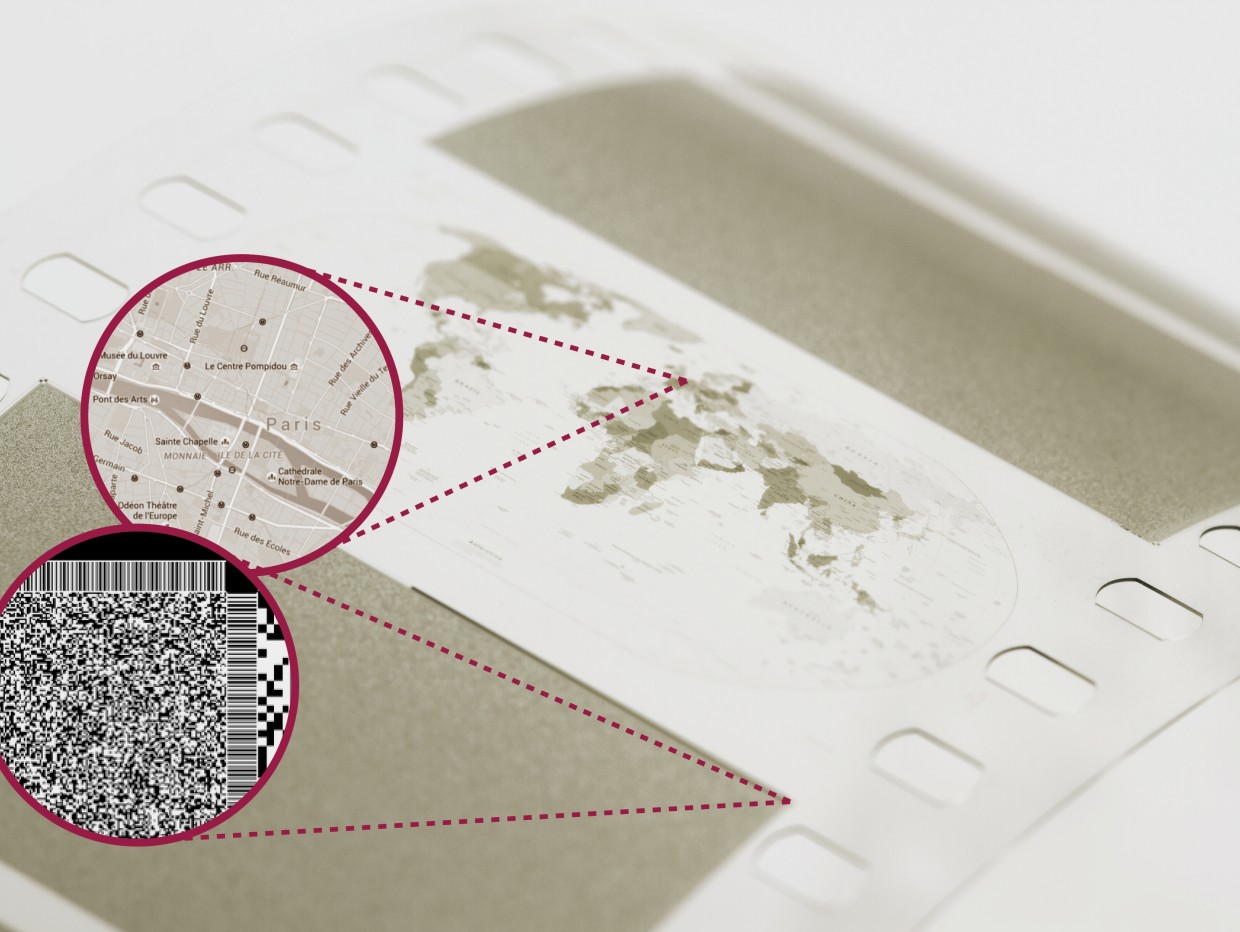
– When it comes to IP strategy, we think that everything needed to produce and preserve digital information on film is our IP, but everything needed to retrieve information is Open Source and based on off-the-shelf products to ensure that data can be retrieved in the future, says Bjerkestrand. – If a film is found in the future (up to 2000 years from now if it is stored in our archive in Svalbard), everything you need to retrieve the content of the films is written on the film. All descriptions of how to read the content of the film (e.g. how to build your own piqlReader with off-the-shelf parts), software to convert the high-resolution QR codes back to data and descriptions of the file formats used, are in plain text on the film, says Bjerkestrand.
– It is the brand that builds trust, both for customers and for business partners. By having a well-known brand, we give our business partners confidence that this is a safe bet. We have been concerned with protecting the brand and registering domains, and see that it eventually has more value than the technology itself. But the technology has helped create the brand, so it is connected.

Keeping up with competitors
The company is not aware of any attempts to copy their technology, but they are constantly monitoring potential competitors and their research and development progress. So far, they have no direct competitors with products with the same potential for safe, sustainable and maintenance-free long-term storage.
Conducted Freedom to Operate analysis
The company has been assisted by external consultants in applications and IP strategy formulation. Piql has engaged Leogriff AS, an IP management company and a preferred INNOLABS service provider, as its internal IP manager. Leogriff conducted a Freedom to Operate analysis of their current and planned technology development in 2029 together with the Norwegian Industrial Property Office.
Well-thought-out IP important for public support
Piql has received a lot of help from Innovation Norway, the Research Council and SkatteFUNN, and has received EU funds from the Horizon programs. They also have private investors from several countries involved in the company. In connection with several of these applications, projects and private "due diligence" by investors, it has been important to document the IP and describe how they will protect what is developed in the various R&D projects. Having a well-documented IP and a well-thought-out IP strategy gives an advantage in the evaluation of applications, and it has an impact on how investors view the case.
Advantages and disadvantages of publishing through patents
The company believes that documenting its technology in a patent application is both an advantage and a potential disadvantage. Therefore, one must consider what is smartest – secrecy or publication. – It is important to quickly secure domains and protect brands, as that is largely what is exposed, says Bjerkestrand. – Our technology is very complex and composed of many elements from different disciplines, and when it is kept secret, we at least consider it a good protection.
– It is important to monitor the market and get an overview of the technologies that competitors use, concludes Bjerkestrand.


