Logo for Made in Norway in red and blue on a white background.

Made in Norway has become a popular brand scheme

Innovation Norway launched the Made in Norway brand scheme for Norwegian export companies in January this year. It has caught on in business, and many have adopted the brand.

Made in Norway is an instrument that will help to achieve the government's goal of a 50% increase in exports. Surveys carried out by, among others, the Norwegian seafood industry show that 7 out of 10 consumers think it is important to know which country the fish comes from when they buy it. Norwegian products are considered to be of high quality, responsible and sustainable, but also expensive. A brand such as Made in Norway will contribute to increasing the value of Norwegian goods overall.

The brand will be used to position three industries in particular: Seafood, exports and investments and tourism.

Innovation Norway has set up the following criteria for participating in the scheme:

  • The company meets basic requirements for responsible business.
  • The company has carried out assessments to uncover risks of negative impact on people, society and the environment.
  • The company has ethical guidelines.
  • The individual product or solution that will carry the label must contribute to at least one of the UN's sustainability goals without being significantly detrimental to any of the EU's six environmental goals.
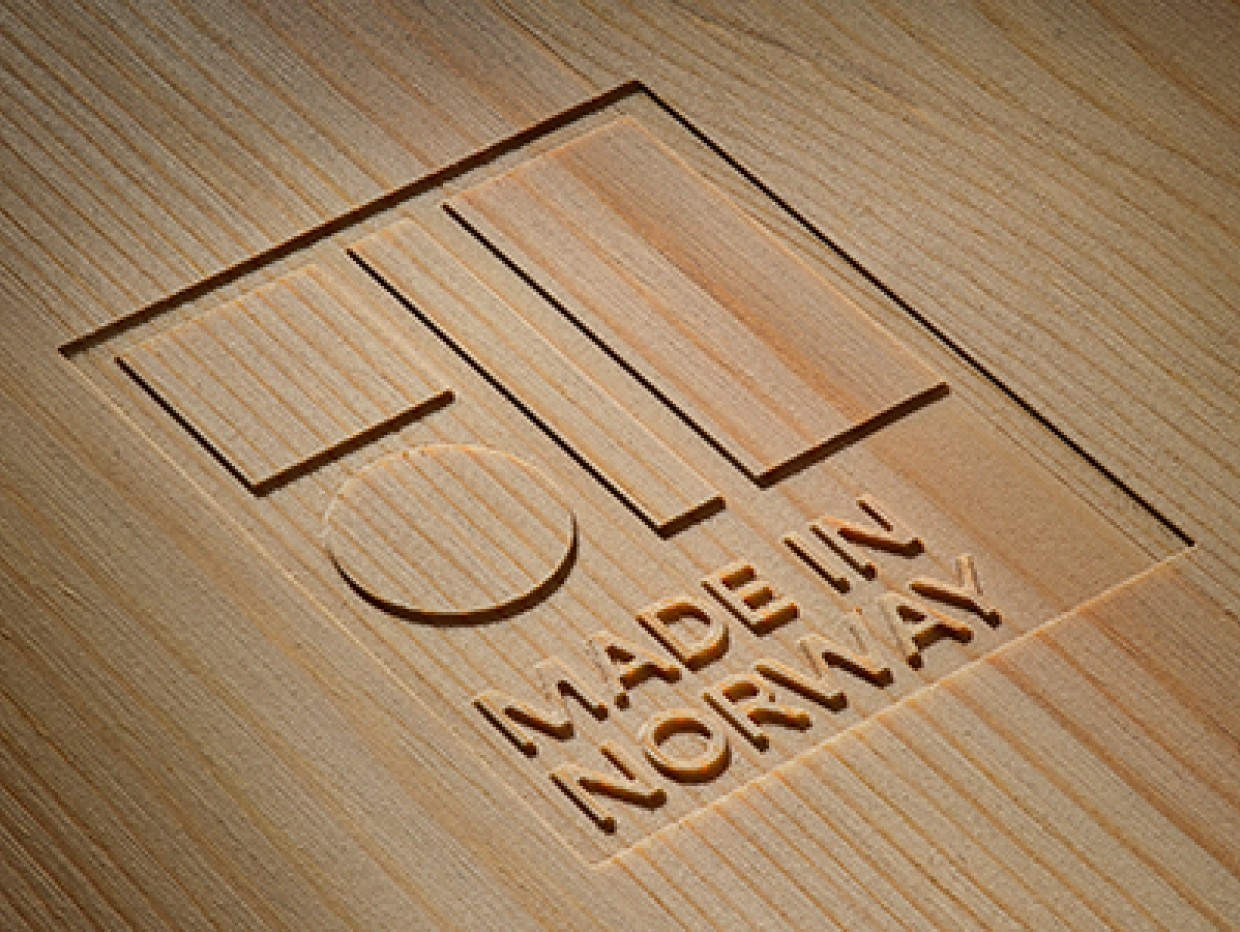
Logo for Made in Norway in wood.
The mark on wood
Logo for Made in Norway in metal.
Marked in metal

From the start with 7 companies, there are now 61 companies in the scheme, including well-known brands such as Hurtigruten, Jøtul, David-Andersen, Macks ølbryggeri and Rottefella. They represent over 10 billion in revenue, and have a total of over 50 offices internationally.

Made in Norway is also registered as a trademark internationally, and it is currently approved in the EU, UK, Australia, Russia, New Zealand, Turkey, Japan and many other countries.

CEO Aziz Chaer of Omgi AS says this about the brand: – A certified and trademarked label serves as a quality stamp and can significantly enhance our positioning when bringing a Norwegian product to international markets.

Relaterte artikler

Read more about Apply now for CSP support for your EQE journey
Environment at the Norwegian Industrial Property Office’s premises

Apply now for CSP support for your EQE journey

The Candidate Support Programme (CSP), organised by the European Patent Office in collaboration with the national patent offices of its member states, supports aspiring European patent attorneys in preparing for the European Qualifying Examination (EQE).

Published on 20. april 2026

Read more about Kind codes for patent documents will be updated to comply with the WIPO standard
TwoWaves-light-green

Kind codes for patent documents will be updated to comply with the WIPO standard

From 1 January 2026, the Norwegian Industrial Property Office will change the use of certain kind codes in patent documents. We are doing this to ensure better compliance with the international standard WIPO Standard ST.16. The standard defines uniform codes for document types in patent publications.

Published on 08. december 2025

Read more about Do you have a conscious strategy for intellectual property (IP)?
Person skriver med tusj på glasstavle.

Do you have a conscious strategy for intellectual property (IP)?

A robust and comprehensive IP strategy that is well integrated into the business plan is a hallmark of companies that succeed in international markets. Proper management of intangible assets can be crucial for achieving the company’s goals.

Published on 20. november 2025